
Brand identity is the complete visual and emotional fingerprint of your business. It’s how customers recognize you, remember you, and decide whether to buy from you. Think of it as the personality of your company—everything from your logo and colors to your tone of voice and the stories you tell.
But here’s the thing: most people think brand identity stops at a fancy logo. It doesn’t. Real brand identity goes way deeper. It’s about the feelings and experiences your product inspires in customers, the way your team treats people, and how consistently you show up every single time someone interacts with your business.
Related: Best Logo and Brand Identity Packages 2026: Top 5 Ranked
If you’re building a brand from scratch or refreshing one that’s lost its spark, understanding these 7 core elements is essential. And if you want help pulling all these pieces together into something cohesive and compelling, Dekree Studio specializes in exactly this kind of strategic brand identity work.
The 7 Essential Elements of Brand Identity
These aren’t optional. Each one matters, and they all have to work together.
1. Logo
Your logo is the most recognizable part of your brand identity. It’s the symbol people see first, and it needs to communicate what you do—or at least be memorable enough that people associate it with you forever.
A good logo doesn’t need to be complicated. Think Apple, Nike, or McDonald’s. Simple, bold, works at any size. Your logo should look good on a business card, a billboard, and a favicon.
2. Brand Colors
Colors trigger emotion. Red makes you hungry (fast food chains love it). Blue feels trustworthy (banks use it constantly). Green suggests nature and health.
Pick 2-4 primary colors that align with how you want people to feel about your brand. Use them consistently across your website, social media, packaging, and marketing materials. This repetition is what makes your brand instantly recognizable.
3. Typography
The fonts you choose matter more than you think. A serif font (with little feet on the letters) feels traditional and sophisticated. Sans-serif fonts feel modern and clean. Playful scripts feel creative.
Pick one or two typefaces and stick with them. Consistency in typography is part of what makes your brand feel intentional and professional, not scattered.
4. Brand Imagery and Photography Style
How do your photos look? Are they bright and cheerful? Dark and moody? Minimalist? Busy and energetic?
Your visual style—whether you use original photography, illustrations, or stock images—needs to match your overall brand personality. A luxury brand shoots different photos than a playful startup. Both can be beautiful, but they need to feel right for their audience.
5. Brand Name
This is your actual company name, and it deserves thought. Is it memorable? Easy to spell? Does it hint at what you do, or is it completely unique?
Your brand name is the foundation of everything else. It’s what people search for, what they tell their friends, and what appears on your legal documents. Get this right early.
6. Tone of Voice
How do you talk to your customers? Are you formal and professional? Casual and funny? Inspiring and motivational? Educational and helpful?
Your tone of voice shows up in your website copy, emails, social media posts, and customer service messages. It’s a huge part of brand identity because it reflects your company’s personality and values. People connect with brands that sound like humans, not robots.
7. Brand Story
Why does your business exist? What problem do you solve? What do you believe in?
Your brand story is the narrative that ties everything together. It explains why you started, what drives you, and why customers should care. A strong brand story creates emotional connection—and emotional connection is what turns customers into loyal advocates.
Why Brand Identity Actually Matters
You might think brand identity is just a marketing thing, but it’s way more strategic than that. Here’s why it matters to your bottom line:
- Differentiation. In 2026, every industry is crowded. Brand identity is how you stand out from competitors offering similar products or services.
- Trust. Consistent, intentional branding signals that you’re a legitimate, professional business. People spend money with brands they recognize and trust.
- Premium pricing. Strong brands can charge more because customers perceive higher value. A well-defined brand identity justifies the price.
- Customer loyalty. When your brand identity resonates emotionally with customers, they come back. They also tell their friends.
- Employee alignment. Your team needs to understand and believe in your brand. Clear brand identity makes it easier for everyone to represent your business consistently.
If you’re serious about building something that lasts, brand identity isn’t a nice-to-have. It’s foundational. That’s why brand identity work is one of the core services that helps businesses actually compete.
Related: Best Brand Identity for Startups: Build Credibility Fast
How to Build Brand Identity From Scratch
Start with strategy, not aesthetics. Too many businesses pick a color they like and call it a brand. That’s backwards.
Step 1: Define your audience. Who are you trying to reach? What are their values? What problems keep them up at night? You can’t build a brand identity without understanding exactly who you’re talking to.
Step 2: Clarify your positioning. What makes you different? Why should someone choose you instead of a competitor? Your positioning informs every other decision you make about brand identity.
Step 3: Create your brand story. Write down why your business exists, what you stand for, and what you want your customers to feel. This narrative becomes the soul of everything else.
Related: How to Create a Strong Brand Identity in 2026
Step 4: Design the visual elements. Now you pick colors, fonts, logo style, and imagery. But these decisions are informed by your strategy, not just aesthetics.
Step 5: Establish your tone of voice. Write a short style guide describing how you speak. Are you friendly or formal? Funny or serious? Include example phrases and things you’d never say.
Step 6: Document everything. Create a brand identity guide that your team can reference. Include logo usage rules, color codes (hex, RGB, CMYK), approved fonts, tone guidelines, and examples of brand imagery. This is what keeps everything consistent as your business grows.
Related: Brand Identity Guidelines for New Businesses: Complete Setup
Related: What is Brand Identity Design? Complete Guide
Related: Brand Build: Step-by-Step Guide to Building a Strong Brand
Step 7: Live it. Brand identity only works if it’s authentic. Every employee, every social post, every customer interaction should reflect it. Consistency over time is what actually builds brand recognition.
Related: Building Brand Consistency Across All Platforms in 2026
Common Brand Identity Mistakes to Avoid
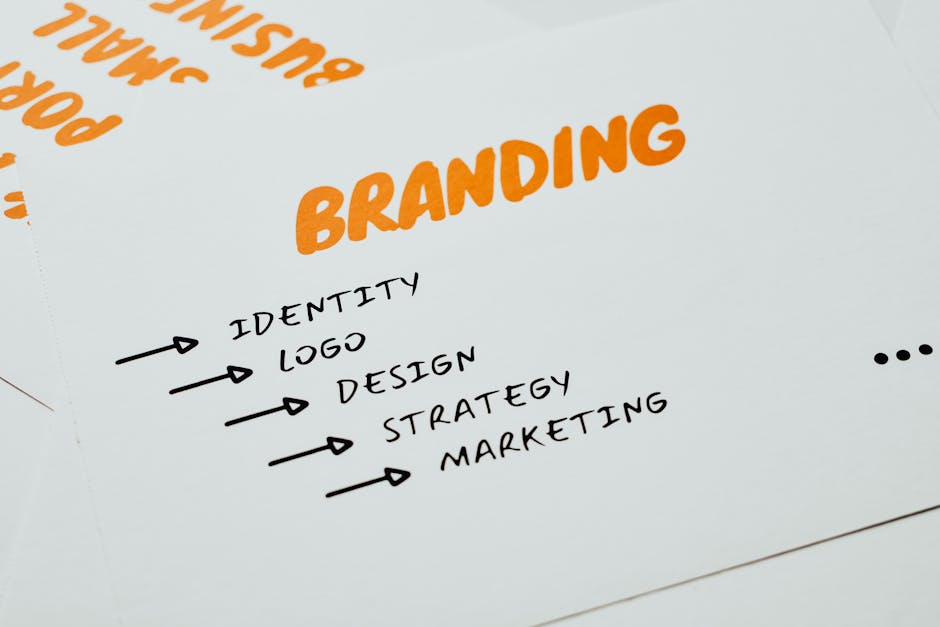
You don’t need to reinvent the wheel here. Just avoid the mistakes most businesses make:
- Copying competitors. Your brand identity should reflect your unique business, not what someone else is doing. If five competitors use blue, that’s useful data—but it doesn’t mean you should too.
- Trying to be everything to everyone. A vague brand identity appeals to nobody. Be specific about who you serve and what you stand for.
- Inconsistent visual design. Using different logo versions, color variations, and fonts across platforms confuses people and dilutes your brand.
- Ignoring customer experience. Your logo and colors matter, but your customer service, product quality, and website experience matter way more. Brand identity only works when it’s backed by actual delivery.
- Never updating anything. Brand identity can evolve. You don’t need to redesign constantly, but being willing to refresh keeps you current and relevant.
- Not documenting it. If brand identity only lives in the founder’s head, it falls apart when someone new joins the team or you hire contractors.
Building a strong brand identity takes time and intentionality. If you’re juggling this alongside everything else in your business, that’s where outside expertise helps. Dekree Studio works with small businesses and founders to create cohesive brand identities that actually drive results—so you can focus on running your business instead of redesigning your logo for the fifth time.
Brand Identity vs. Branding: What’s the Difference?
People use these terms interchangeably, but they’re not quite the same thing.
Brand identity is what you create—the logo, colors, fonts, story, and voice. It’s the foundation.
Branding is how you use that identity to build perception and emotional connection in the market. It’s the execution and strategy.
Think of it this way: brand identity is your toolkit. Branding is how you use it.
Both matter. You need a strong brand identity, but you also need a smart strategy for deploying it across your website, social media, advertising, and customer experience. Research from the American Psychological Association shows that visual consistency and emotional messaging actually strengthen customer recall and loyalty—so the work you put into brand identity absolutely pays off when paired with strategic execution.
Making Your Brand Identity Work Harder for You
Once you’ve nailed down your brand identity, use it strategically.
On your website: Every page should reflect your brand identity. Colors, fonts, imagery, and tone all work together to communicate who you are.
On social media: Use consistent colors, similar image styles, and your established voice across platforms. This is where people interact with your brand most frequently.
In packaging and materials: Your physical touchpoints are prime real estate for brand identity. Business cards, packaging, invoices, and email signatures should all feel intentional and cohesive.
In customer service: Your brand identity extends to how your team talks to customers, how fast you respond, and how you handle problems. This is where brand promise becomes real.
In hiring and company culture: Your team should understand and embrace your brand identity. They’re representing it every day, whether they realize it or not.
The best brand identities aren’t just visually beautiful. They’re strategically aligned with your business goals and authentically connected to your company values. If you need help pulling this all together—especially if you’re managing multiple design projects or brand initiatives alongside your regular work—that’s exactly the kind of strategic branding work that Dekree Studio is built to handle.
The Bottom Line
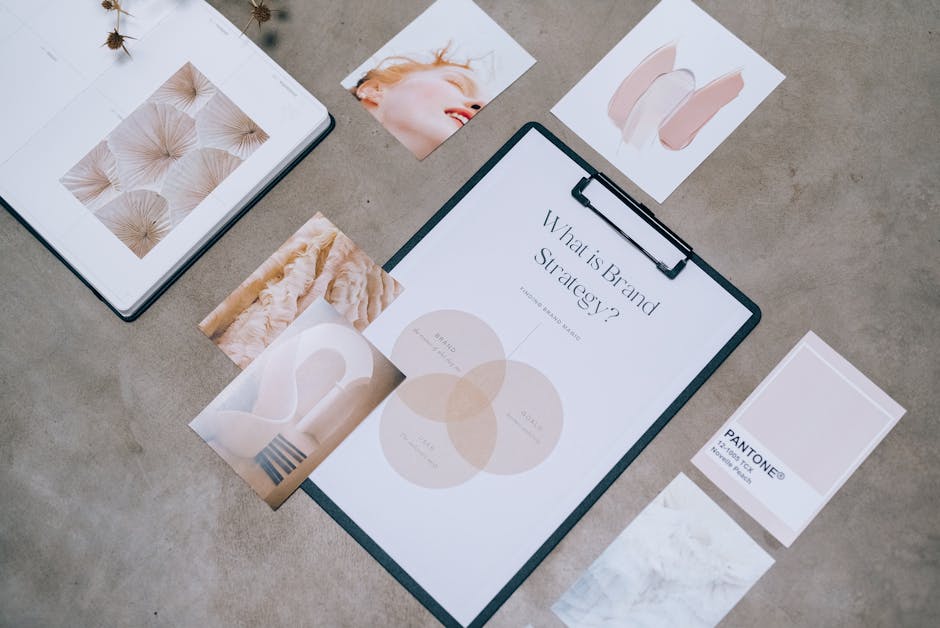
Brand identity is your business’s personality put into visual and verbal form. It includes seven core elements—logo, colors, typography, imagery, brand name, tone of voice, and story—and they all have to work together to create something that resonates with your audience and sets you apart from competitors.
Strong brand identity doesn’t just look good. It builds trust, enables premium pricing, creates customer loyalty, and gives your team something to rally around. It’s foundational work that pays dividends for years.
The catch: it takes strategy, consistency, and intentionality. If you’re stretched thin or unsure where to start, that’s the moment to get expert help.
Is brand identity the same as a logo?
No. A logo is just one component of brand identity. Brand identity also includes colors, typography, imagery style, brand name, tone of voice, and your brand story. A logo alone doesn’t create a complete brand identity.
How long does it take to develop brand identity?
Typically 2-8 weeks, depending on complexity and how quickly your team can provide feedback. Strategic work takes longer than just slapping colors on a logo, but the investment is worth it.
Can you change your brand identity once it’s established?
Yes, but carefully. Major changes can confuse loyal customers. Small refreshes (tweaking colors, updating the logo slightly, evolving your tone) are fine. Complete overhauls should be intentional and communicated clearly to your audience.
What’s the most important element of brand identity?
Your brand story and the emotional connection it creates. People remember how you made them feel before they remember your exact color palette. Everything else should amplify that core story.