
If you run a service-based business, your website isn’t just a digital business card. It’s your 24/7 sales rep, doing the work of explaining who you are, what you do, and why someone should hire you instead of your competitor.
The problem? Most service websites are cluttered, confusing, or slow. They bury the value prop under generic language. Or they try to cram every service onto one massive page, leaving visitors lost.
Here’s what web design for service-based businesses really needs to do: communicate clearly, build trust fast, and guide people toward booking or contacting you. Let’s break down exactly how to make that happen.
Related: What Is Design Thinking? A Practical Guide for Businesses
Related: What Is Digital Marketing? A Practical Guide for 2026
Related: Basics of UX Design: A Practical Guide for 2026
Related: What Is Design? A Practical Guide for 2026
Related: What Is UI Design? The Complete Guide for 2026
Related: How to Automate Your Business with AI: A Practical Guide for 2026
Related: Web Design for Small Business: The Complete 2026 Guide
Start With Crystal-Clear Messaging
Your homepage visitor has about 8 seconds to understand what you do and whether you solve their problem.
Don’t waste that time on flowery design or vague taglines. Tell them immediately: “We’re a [service type] company that helps [specific audience] achieve [specific outcome].”
Example: “We’re a brand strategy agency that helps SaaS startups position themselves to stand out in crowded markets.”
Related: Best Design System for Brand Consistency in 2026
Related: Best Product Design for Your Brand in 2026
Not: “We provide comprehensive branding solutions for all industries.”
The first one tells someone exactly if you’re a fit. The second one could mean anything. Service businesses thrive when they’re specific about who they serve and what problem they solve.
Organize Your Services in a Way That Doesn’t Overwhelm
Here’s the strategic decision most service businesses get wrong: Should you put all services on one page, or create separate pages for each?
The answer depends on complexity and how different your services are.
Use one consolidated page if: Your services are tightly related and your customers journey is simple. A landscaping company, for example, can show lawn care, tree trimming, and seasonal cleanup on one “Services” page because the buyer journey is straightforward.
Create dedicated pages if: Your services are distinct enough that they appeal to different audiences or require different explanations. A digital marketing agency offering SEO, paid ads, and social media? Give each one a dedicated page with case studies, process details, and specific outcomes.
The goal is to reduce cognitive load. Your visitor shouldn’t have to search for information about what you offer. Instead, Dekree Studio helps service businesses structure their websites so the right message reaches the right person, fast.
Build Trust Through Professional Design and Credibility Signals
You can’t sell a service without establishing credibility first. That means your website needs to look professional, modern, and intentional.
Three non-negotiables:
- Consistent branding – Same fonts, colors, tone, and visual style throughout. Inconsistency makes you look disorganized.
- High-quality imagery – Real photos of your team or work. Stock photos feel lazy. Your potential clients want to see who they’re actually hiring.
- Social proof – Testimonials, case studies, client logos, or review scores. Show that you’ve delivered results for people like them.
These aren’t nice-to-haves. They’re the foundation of whether someone decides to trust you with their money or time.
Optimize User Experience for Conversions
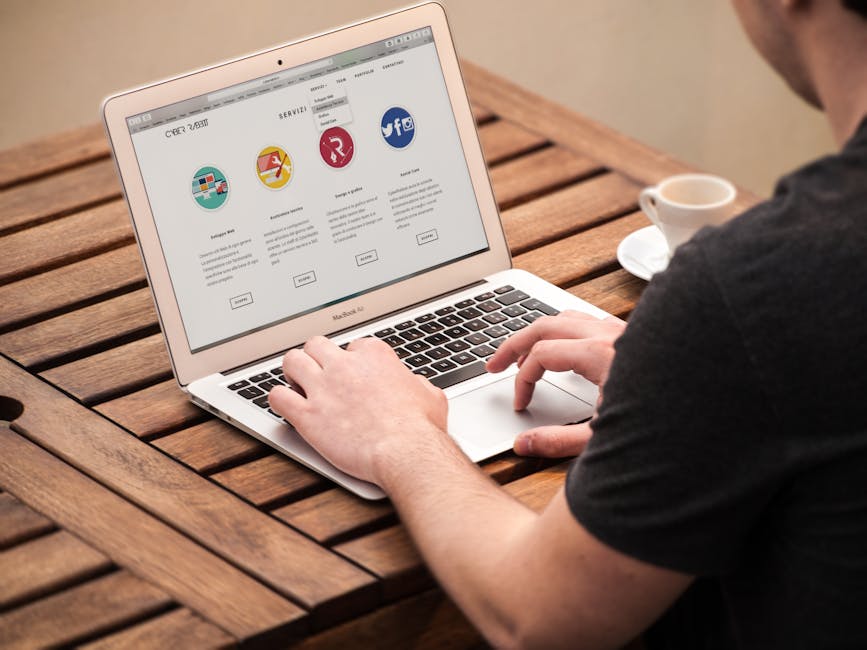
User experience (UX) directly impacts whether someone books a call, fills out a form, or clicks away.
Here’s what matters:
Page speed: Your website should load in under 3 seconds. Anything slower, and you’re losing visitors. Tools like Google PageSpeed Insights give you a baseline.
Mobile-first design: Over 60% of web traffic comes from mobile devices. If your site looks like garbage on a phone, you’re losing money. Design for mobile first, then scale up to desktop.
Clear navigation: Your menu should have 4-6 main items max. Service businesses often try to link to everything, creating navigation hell. Simplify. Make it obvious how someone gets from your homepage to booking you.
Obvious CTAs: Your call-to-action buttons (Book a Call, Get Started, Schedule a Demo, Contact Us) should stand out visually and appear multiple times on the page. Don’t bury them. People should never have to search for how to hire you.
Leverage SEO So People Can Actually Find You
A beautiful website nobody sees is worthless.
Service businesses depend on local and organic search discovery. People search things like “digital marketing agency near me” or “copywriter for tech startups” and you need to show up.
The foundation:
- Target the right keywords – Use search terms your actual clients use (like “web design for service-based businesses”). Not generic keywords nobody’s searching for.
- Write for humans first, search engines second – Google rewards content that actually answers questions and keeps people on your page. Create detailed service descriptions, FAQs, and blog content that addresses client problems.
- Get backlinks – When other reputable websites link to yours, Google sees you as more trustworthy. Mention your services in industry directories, partner sites, or press coverage.
- Optimize for local search – If you serve a specific area, make sure your Google Business Profile is complete and accurate. Include your address, hours, and service areas.
Dekree Studio has helped dozens of service-based businesses redesign for search visibility and conversions. The pattern is always the same: clear messaging, strategic structure, and pages optimized for the keywords your clients actually search.
Make Forms and Booking Flows Frictionless
Don’t ask for more information than you need.
If you require someone to fill out a 15-field form just to get a quote, you’re losing leads. Start with the essentials: name, email, phone, and one question about their specific need.
You can dig deeper in a follow-up call.
Also: Make booking or contact methods obvious and multiple. Some people prefer a form. Others want to click a calendar and schedule directly. Others might call. Support all three and watch your conversion rate jump.
Make Your Service Pages Stand Out From the Crowd

Your service pages are where the real conversion work happens.
Each service page should follow this structure:
- Clear headline – State exactly what this service is and who it’s for.
- The problem you solve – What pain point brings someone to this page?
- Your solution – How specifically do you solve it?
- The process or steps – What does working with you actually look like?
- Results or outcomes – What can they expect? Use specific, measurable results when possible.
- Testimonials or case studies – Real examples of clients you’ve helped.
- Clear CTA – A button that’s easy to find and click.
The more detailed and specific your service pages are, the higher they’ll rank in search results and the more qualified leads you’ll get.
When you’re ready to redesign or build a service-based website that actually converts, Dekree Studio specializes in helping small service businesses structure and design sites that drive real results.
Frequently Asked Questions
Should I include pricing on my service website?
If your pricing is straightforward and standard (like most SaaS or digital services), yes. List it. Transparency builds trust and filters out people who can’t afford you. If pricing varies wildly based on scope or customization (like consulting or design work), use ranges or a “contact for pricing” approach. Don’t hide pricing entirely—it frustrates people and hurts your credibility.
How many pages do I need for a service-based business website?
Minimum: Home, Services (or individual service pages), About, and Contact. That’s enough to function. If you have case studies, a blog, or multiple distinct service lines, add those pages. Don’t go overboard with unnecessary pages that dilute your focus. Every page should serve a clear purpose in converting visitors into clients.
What’s the best way to display testimonials and case studies?
Put them where they matter most: on service pages and near your CTAs. Video testimonials convert better than text-only quotes. Case studies should include specifics: the client’s challenge, what you did, and measurable results (not vague praise). The more specific and credible the proof, the more it moves the needle.
How often should I update my service website?
At minimum, quarterly. Update testimonials, refresh case studies, add new service offerings, and fix any broken links or outdated information. Services evolve, and your website should reflect that. Search engines also reward fresh content, so regular updates help your SEO.