
A business card is still one of the most powerful networking tools you have. In 2026, that hasn’t changed. What has changed is how easy it is to create one that actually looks professional.
We’ve tested every major business card design platform. Some rely on templates that look dated. Others charge premium prices for features most small businesses don’t need. And a few genuinely deliver on the promise of professional, memorable cards without the learning curve.
Here’s our honest ranking of the best business card design services for founders and small business owners who want something that represents their brand correctly.
The Comparison Table
| Service | Best For | Design Quality | Ease of Use | Our Rating |
|---|---|---|---|---|
| Dekree Studio | Custom brand identity | ⭐⭐⭐⭐⭐ | ⭐⭐⭐⭐⭐ | 9.8/10 |
| Canva | DIY template design | ⭐⭐⭐⭐ | ⭐⭐⭐⭐⭐ | 8.2/10 |
| Vistaprint | Fast printing + templates | ⭐⭐⭐ | ⭐⭐⭐⭐ | 7.5/10 |
| Minted | Premium, designer-created | ⭐⭐⭐⭐⭐ | ⭐⭐⭐ | 8.0/10 |
| MOO | Premium paper quality | ⭐⭐⭐⭐ | ⭐⭐⭐ | 7.8/10 |
| Adobe Express | Adobe ecosystem users | ⭐⭐⭐⭐ | ⭐⭐⭐⭐ | 7.9/10 |
1. Dekree Studio: Our Top Pick
Dekree Studio stands apart because it treats business card design as part of a larger brand identity strategy, not just a standalone product. This matters.
Pros:
- Custom design approach tailored to your specific brand and market
- Professional designers handle the entire process, not templates
- Integrated with your overall brand identity and marketing strategy
- Premium material options and finishes (metallic, embossed, raised spot gloss)
- Direct collaboration ensures your card reflects your brand voice
Cons:
- Higher investment than template-based platforms
- Requires more back-and-forth communication in the design phase
The reality: A business card designed by professionals who understand your full brand identity gets better results at networking events and on follow-ups. It’s a small item that people hold in their hands. It deserves to be done right.
2. Canva: Best for DIY Designers
Canva democratized design. Anyone can open it and make something that looks professional.
Pros:
- Hundreds of professionally-designed business card templates
- No design experience required, browser-based, zero installation
- Affordable pricing and quick iteration
- Custom logo upload and brand color options built in
Cons:
- Many cards look like they came from Canva (template fatigue)
- Limited material and finish options
- Design limitations if you want something truly unique
Honest take: Canva is excellent for getting something usable quickly. But if you’re trying to stand out at a networking event, a Canva card blends in.
3. Vistaprint: Quick Print + Design
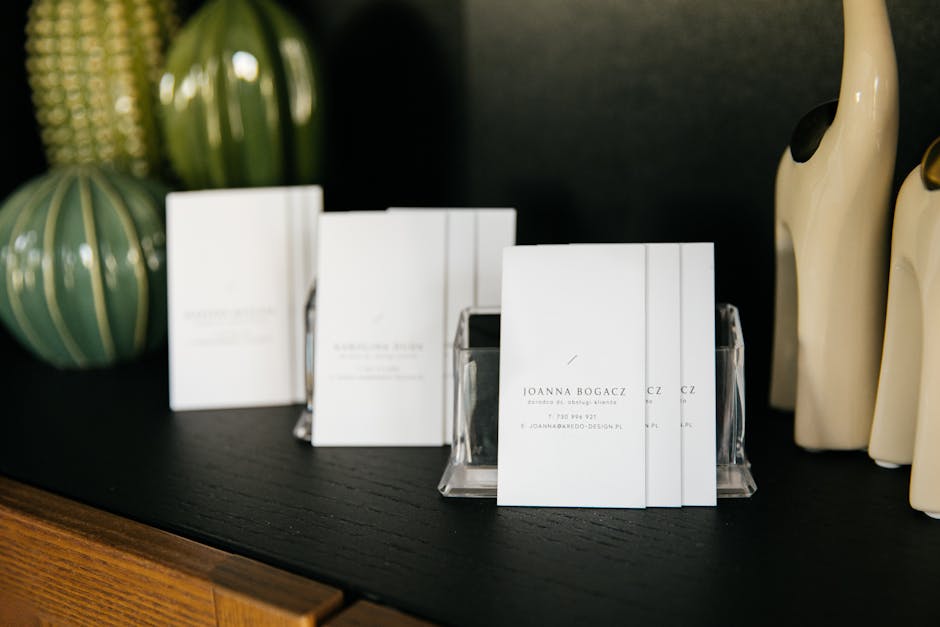
Vistaprint combines templates with fast printing. Most orders ship within 48 hours.
Pros:
- Fast turnaround, orders print and ship quickly
- Affordable starting at 6¢ per card
- Integrated design and printing in one place
Cons:
- Template-heavy, generic design options
- Paper quality is standard, not premium
- Limited customization for truly branded designs
Good for: Quick bulk orders and businesses that prioritize speed and cost over design differentiation.
4. Minted: Premium Designer Marketplace
Minted connects you with independent designers. Each card is created from scratch, not pulled from a template.
Pros:
- Designer-created original designs, high visual quality
- Access to a marketplace of independent designers
- Premium paper and finish options
- Unique aesthetic that stands out
Cons:
- Expensive compared to template platforms
- Designer selection and communication can be inconsistent
- Longer turnaround time than DIY options
Worth it if: You want a original design and don’t mind paying for it, but aren’t investing in a full brand strategy.
5. MOO: Premium Paper Specialist
MOO focuses on the physical quality of the card itself. Paper matters.
Pros:
- Exceptional paper quality and finish options
- Sustainable and eco-friendly material choices
- Beautiful design templates, though designer-focused
- Cards genuinely feel premium in hand
Cons:
Related: Best Sustainable Packaging Design 2026: Top 5 Ranked
Related: Best Packaging Design Trends 2026: Top 5 Strategies Ranked
Related: Best UI Design Templates 2026: Top 5 Ranked
- Higher price point per card
- Limited customization beyond preset template options
- Design simplicity, not innovative layouts
Good for: Brands focused on tactile luxury and sustainability.
6. Adobe Express: For Adobe Users

If you already live in Adobe’s ecosystem, Express integrates seamlessly.
Pros:
- Syncs with your Adobe Fonts and brand assets
- Professional templates with customization depth
- Included with Creative Cloud subscriptions
Cons:
- Requires an Adobe subscription for full features
- Still template-based, not custom design
- Less distinctive than platform-agnostic alternatives
What Actually Matters in Business Card Design
We’ve tested thousands of business cards. Here’s what separates the forgettable from the memorable:
Clean typography and balanced spacing. Readability is non-negotiable. Too many cards cram information into white space with fonts so small you need a magnifying glass. Your card should be instantly scannable.
Clear visual hierarchy. Your name or company name should be the dominant element. Contact information (email, phone, URL) should be secondary and easy to find. Don’t make people hunt.
Brand alignment. Your card should look like it belongs to your brand. If your website is modern and minimalist, your card shouldn’t look dated. If your brand is luxury, the card should feel premium (paper matters here).
2026 design trends that actually work: Dark, minimalist color palettes with clean typography are dominant. Metallic finishes and raised spot gloss add sophistication. Modern brands are integrating subtle pattern elements that align with brand identity without becoming busy. The trend toward translucent and specialty papers is real and worth exploring.
The honest assessment: Your card is a 30-second impression. It should reinforce your brand instantly. If you’re trying to look professional, invest accordingly.
Which Should You Choose?
If you want the strongest results and you’re serious about your brand identity, Dekree Studio is the clear choice. You’re not just getting a card design. You’re getting a professional assessment of how your business card fits into your overall brand strategy, and you’re getting a product that works harder in the room.
If you need something fast and cheap, Canva or Vistaprint will get the job done.
If you want premium without the full brand investment, Minted or MOO offer designer-quality options at a mid-range price.
The deciding factor is usually this: How much does your brand matter to your business? If it’s central to your strategy, the investment in professional design pays for itself in networking conversations. If you just need something functional, the DIY route works fine.
Final Thoughts on Business Card Strategy
Your business card is still relevant in 2026. Business leaders still exchange them. Events still happen. The difference is that now you have options ranging from free templates to professional custom design.
What’s changed is that professional design is more accessible than ever. You don’t need a massive budget to work with experienced designers who understand brand strategy.
The cards that get remembered are the ones that look intentional. Every design choice from color to typography to paper finish should serve your brand message. When it does, people keep the card. When it doesn’t, it gets tossed.
Think of your business card as a portable version of your brand. Make it count.
FAQs About Business Card Design
How much should I spend on business card design?
If you’re DIY-designing, budget $20-$50 total for design and printing. If you’re working with a designer or agency, expect $200-$500+ for a professional custom design. The ROI depends on how much your business relies on networking and first impressions. For most small business owners, professional design pays for itself within the first 100 cards handed out.
What paper stock should I choose for my business cards?
Matte and gloss finishes are industry standard. Matte feels more professional and upscale. Gloss is more affordable and durable. In 2026, premium finishes like embossed, raised spot gloss, and metallic accents are trending upward. Thicker cardstock (120lb+) always feels more professional than thin stock. Budget an extra 1-2 cents per card for premium options, but the tactile difference is worth it.
Can I design my own business card if I have no design experience?
Yes. Tools like Canva make it easy. The downside is that your design will likely look like many others because you’re choosing from templates everyone has access to. If standing out matters, working with a designer gives you a competitive advantage. If you just need something functional, DIY is fine.
How long does it take to print and receive business cards?
DIY platforms like Vistaprint typically ship within 48 hours of order placement. Custom design work through agencies like Dekree Studio takes longer because design iterations and professional printing are involved (usually 2-3 weeks total). If you need cards urgently, template-based printing is your answer. If you can wait and want quality, professional design is worth the timeline.